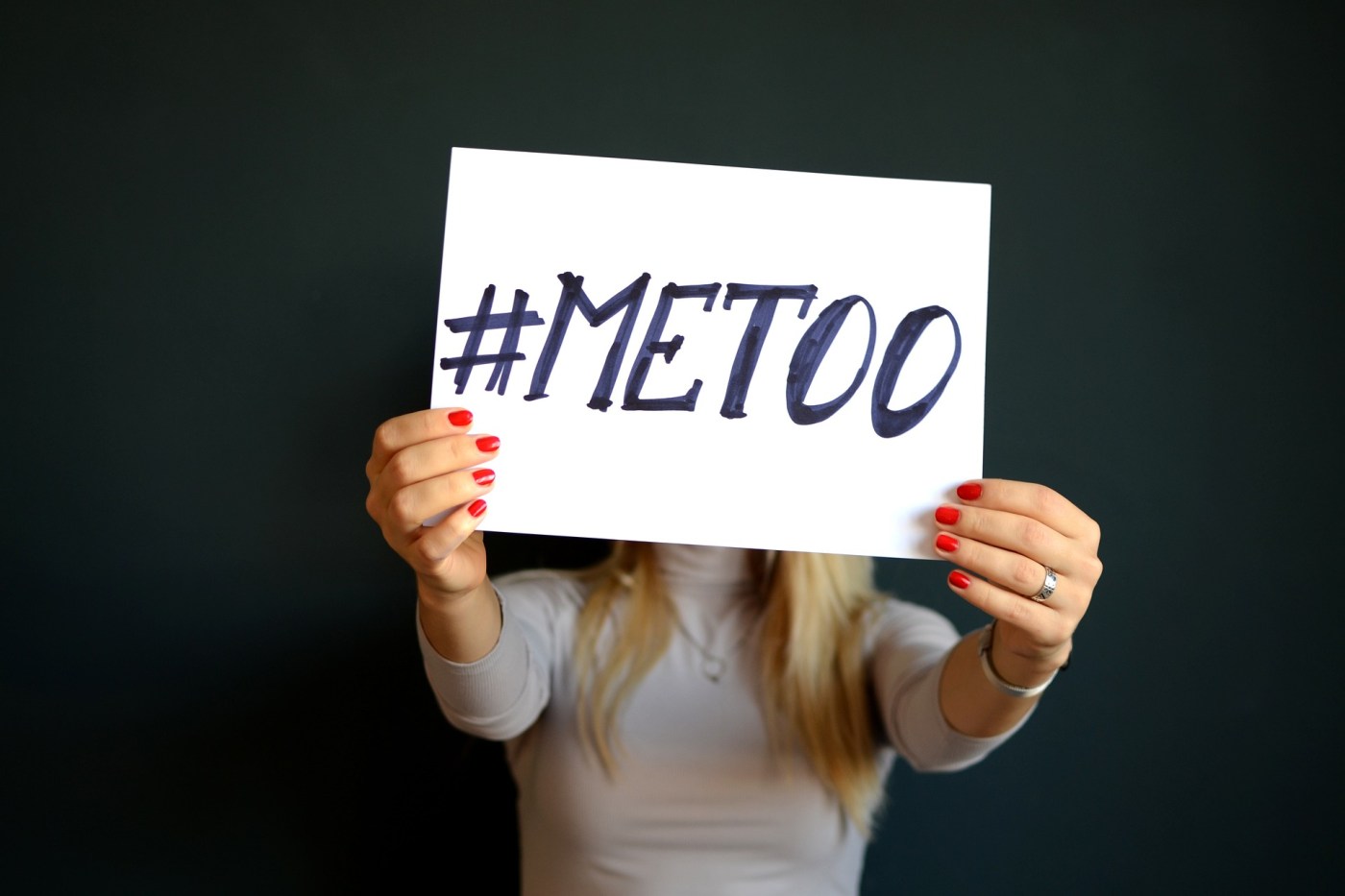
Recently, there was a long thread on Twitter posted by a female performer wherein numerous people in the industry, including studio owners, performers, directors, producers and photographers were all called out for being abusive on set and even off camera. Supposedly over 500 members of the industry were the subject of the allegations.
While I cannot speak to whether the allegations were true or not, this situation should be treated as a learning moment for everyone in the industry – mainstream and amateur. And the lesson should be, there is no room for abusers in the industry.
Whether you agree or not with calling out an abuser, the one fact that cannot be overlooked is the potential for lawsuits. Not only filed against the abuser but also the employers, content creators and production companies that employ them.
It is well settled law in California (and most other states) that performers are considered employees. The legal theory that performers are independent contractors hired for day simply will not be supported in a court – for the health and safety issues. A performer may be an independent contractor for tax issues but not health and safety on set.
See for more information click on;
Since performers and also likely, directors and photographers will be considered employees, it is imperative that those involved in production not hire known abusers since they can find themselves severally and jointly liable for their on-set abuse. Meaning, the employer can be sued and forced to pay 100% of whatever award is made in favor of the victim.
Be aware that employer is loosely defined under the law. Even a content creator who doesn’t have an Inc or LLC who hires someone to perform in content can be thought of as an employer. If you are paying something of value (it doesn’t have to be money) for someone’s performance, you will probably be deemed an employer.
According to California law, an employer is responsible for an employee’s negligence, carelessness, or willful misconduct if the company knew or should have known that the person posed a danger to others. This legal doctrine is “negligent hiring, managing, or keeping an employee.”
Negligent hiring claims arise when (1) the employer knew or should have known (had the employer exercised ordinary care) of the employee’s unfitness at the time of hiring, and (2) whether that foreseeable unfitness was the cause of the resulting injuries. Be aware that the standard for liability varies among the states. Talk to an employment attorney in the state where you produce content, not necessarily where your company is established. So if you have a Nevada LLC and produce in California, California law will apply to what happens on set.
The issue here really is “should have known.” It is not a defense to simply claim you didn’t know whether someone was abusive. With the thread on Twitter, noted above, it will be more difficult for an employer to claim they couldn’t have known if someone was abusive. The more their previous abuses are discussed publicly, the more they become common knowledge. Now all it requires is a simple Twitter search to discover if any allegations have been made against someone that your studio or production company employs.
The wrong decision is for an employer to bury their head in the sand and pretend that all is well. If you do so, you do so at your own peril. Any on set abuse should be thoroughly investigated and if the allegations appear to be supported by fact, that person should be terminated and never re-hired. This is not “cancel culture” – this is an employer protecting themselves and their best interests.
Terminating an abusive employee is not necessarily an admission of guilt. When measures are taken that would have made an earlier injury or harm less likely to occur, evidence of the subsequent measures is not admissible to prove:
- negligence;
- culpable conduct;
- a defect in a product or its design; or
- a need for a warning or instruction.
But the court may admit this evidence for another purpose, such as impeachment or — if disputed — proving ownership, control, or the feasibility of precautionary measures.
Overall, it is far better to investigate and terminate, if necessary, than to allow someone who is abusive to continue to work for you. An employer will set themselves up for a large award made to the plaintiff, if it appears that the employer knew about the abuses and did nothing to stop them.
I will post Part 2 of this series next week.
 AdultBizLaw.com